How strong is the evidence for PRP therapy?
PRP evidence ranges from well-studied uses to uses with little or negative data. Here is how the research is graded, and where PRP stands with the FDA and insurers.
Key takeaways.
- Evidence quality for platelet-rich plasma (PRP) differs widely from one application to the next.
- Reviews using the GRADE system place most PRP evidence in the low to moderate quality range.
- The largest bodies of research are in lateral epicondylitis and mild to moderate knee osteoarthritis.
- Biological plausibility is not proof: several plausible uses have trials showing no benefit.
- Autologous, minimally manipulated PRP does not need FDA premarket approval, which is not the same as FDA approval.
- Medicare generally treats PRP as investigational, so most treatment is self-pay.
Evidence depends on the application
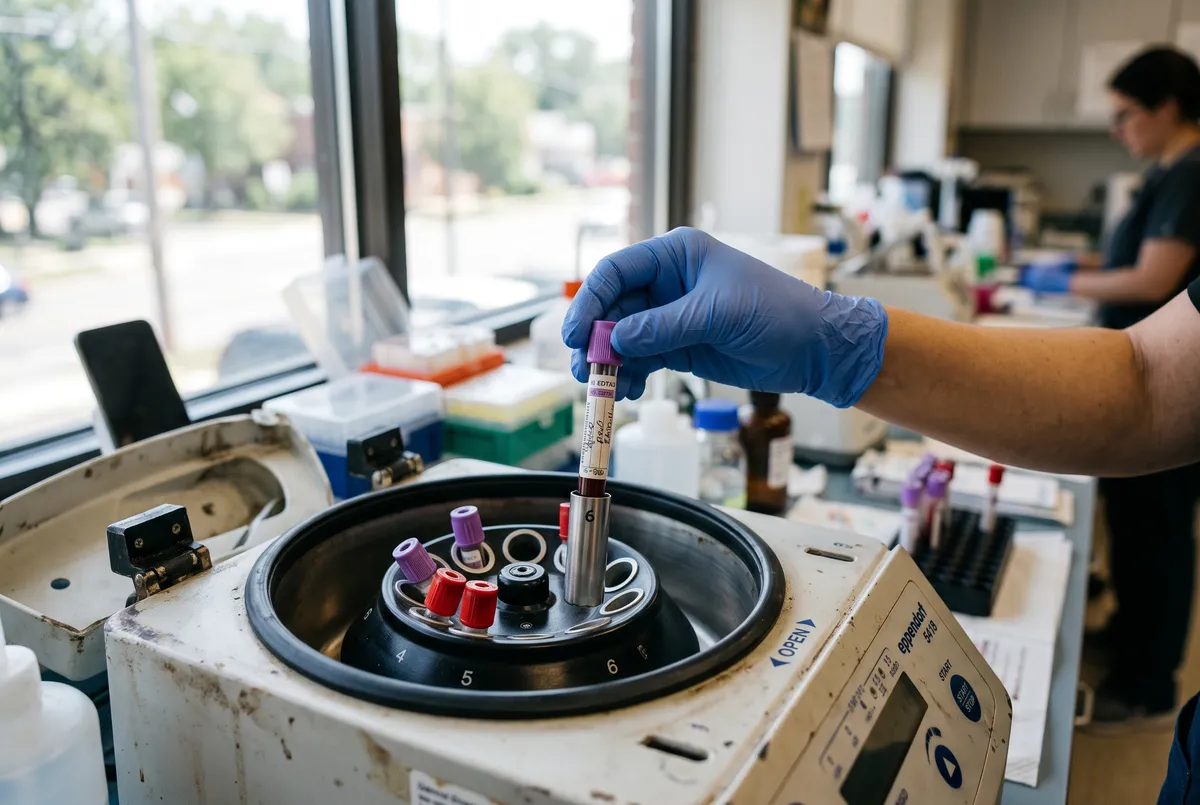
Platelet-rich plasma (PRP) is a concentrate of a patient's own platelets, prepared from their blood. It is used across orthopedics, wound care, aesthetics and other fields, but the research behind each use is not equal.
GRADE is a standard system for rating how much confidence a body of evidence deserves. Systematic reviews from 2024 that applied GRADE to PRP found that most evidence sits in the low to moderate range. Only a few applications reach high quality.
Where research is stronger, and where it is not
The course material identifies lateral epicondylitis (tennis elbow) and knee osteoarthritis of Kellgren-Lawrence grades I to III as the most studied uses, with multiple randomized trials and meta-analyses. Patellar tendinopathy and plantar fasciitis have a smaller, moderate evidence base.
Other uses have a sound rationale but trials that did not show benefit. Examples given are Achilles tendinopathy, PRP added to ACL reconstruction, and acute muscle injuries.
Many aesthetic, sexual wellness, chronic wound and spine applications fall in between. The evidence is described as promising but not enough for firm recommendations. The American Academy of Orthopaedic Surgeons has concluded that evidence remains inconclusive because of inconsistent results and a lack of standardized protocols.
Regulatory position
PRP applications are considered off-label. Under FDA rules for human cells and tissues (21 CFR Part 1271), autologous PRP that is minimally manipulated and used for a homologous purpose does not require premarket approval. That is not FDA approval of PRP for any indication.
The centrifuge systems used to prepare PRP are regulated as Class II medical devices and generally need FDA clearance. Adding drugs or growth factors to PRP, or marketing it with specific therapeutic claims, falls outside this framework.
Insurance coverage
Medicare generally considers PRP investigational or not medically necessary for most indications. Commercial coverage varies by insurer and indication, and aesthetic uses are not covered.
As a result, most PRP treatment is paid for by the patient. That makes clear pricing and honest discussion of the evidence part of informed consent.
Educational content for healthcare professionals. Not a treatment recommendation. PRP applications are considered off-label.
This guide covers the what and the why.
The how is taught live. The webinar and live training go deeper on:
- How to read and apply GRADE ratings to a specific PRP indication
- Patient selection using published consensus criteria
- Regulatory compliance for preparation devices and marketing claims
- Informed consent for investigational and off-label uses
- Billing, pricing and outcome tracking in a self-pay model
Common questions.
Is PRP FDA-approved?
What did the ESSKA-ICRS consensus say about PRP for knee osteoarthritis?
Does Medicare cover PRP injections?
Sources
- Kon E, et al. Platelet-rich plasma injections for the management of knee osteoarthritis: The ESSKA-ICRS consensus. Recommendations using the RAND/UCLA appropriateness method for different clinical scenarios. Knee Surg Sports Traumatol Arthrosc. 2024;32(4):908-928.
- Eymard F, et al. Indications and contraindications to platelet-rich plasma injections in musculoskeletal diseases in case of infectious, oncological and haematological comorbidities: A 2025 formal consensus from the GRIIP. Knee Surg Sports Traumatol Arthrosc. 2025;33(1):134-148.
Keep reading.
PRP · 3 min read
PRP for tendon, ligament and muscle injuries: what the research shows
PRP research in sports medicine differs by tissue and condition. Tennis elbow has the most data, while Achilles, ACL and muscle injury findings are mixed.
Start the lessonPRP · 3 min read
PRP for osteoarthritis beyond the knee: hip, shoulder, ankle and hand
PRP evidence in osteoarthritis is joint-specific. Knee data are strongest, hip and shoulder results resemble hyaluronic acid, and a key ankle trial found no benefit over saline.
Start the lessonPRP · 3 min read
PRP for back pain: discs, facet joints and the sacroiliac joint
PRP is being studied for three spinal pain sources: discs, facet joints and the sacroiliac joint. Early results are encouraging, but the trials are small and not standardized.
Start the lessonReady for the hands-on detail?
Live on Zoom, Tuesdays at 12:00 PM ET. See how the model works before you commit to anything.