What is next for PRP? Exosomes, AI and standardization
PRP research is moving toward standardized preparation, PRP-derived exosomes and AI-based prediction. All of it is still under study.
Key takeaways.
- Inconsistent preparation is described as the main obstacle to clear evidence on PRP.
- The 2025 GRIIP consensus issued 23 recommendations, a step toward standardization.
- PRP-derived exosomes are being studied in wound healing, nerve repair and orthopedics.
- Exosome therapies are not FDA-approved for therapeutic use.
- AI is being explored for predicting individual response and refining dose.
- Dozens of registered clinical trials are examining dose, new uses and mechanisms.
Standardization comes first
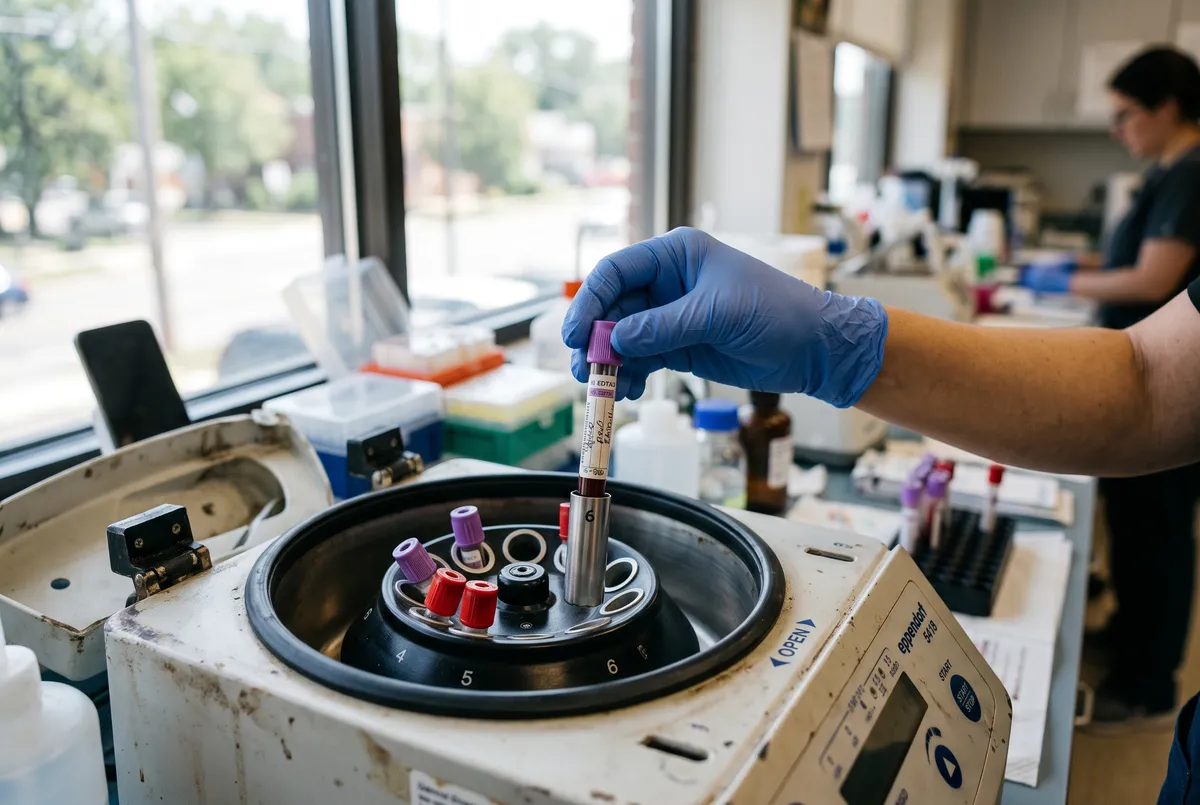
The main obstacle in PRP research is heterogeneity. Preparations, supplies and training differ between clinics and studies, so results are hard to combine. Systematic reviews have called for consistent preparation protocols and standardized reporting.
The 2025 consensus from the International Research Group on Platelet Injections (GRIIP) set out 23 recommendations on contraindications. A scoring system called WESS-PQR has also been proposed for reporting. PRP applications are considered off-label.
PRP-derived exosomes
Exosomes are extracellular vesicles, which are tiny membrane-bound particles that cells release and that carry bioactive cargo. PRP-derived exosomes are a newer research area. Studies from 2024 and 2025 have examined them in diabetic wound healing, nerve regeneration and orthopedic uses with scaffolds.
This work is early. Exosome therapies are not FDA-approved for therapeutic use.
Artificial intelligence
A 2024 scoping review examined AI in regenerative orthopedics, including PRP. The uses under study include identifying prognostic factors and predicting which individuals are likely to respond.
Other proposed uses are dose optimization from large outcome datasets and better clinical trial design. These tools are in development and are not yet routine.
Ongoing trials
As of 2025, dozens of PRP trials were registered on ClinicalTrials.gov. They examine dose, new applications and mechanisms.
One example is a UCSF study (NCT06451120) enrolling about 60 people in two age groups. It aims to identify protein changes after repeated knee PRP injections.
Educational content for healthcare professionals. Not a treatment recommendation. PRP applications are considered off-label.
This guide covers the what and the why.
The how is taught live. The webinar and live training go deeper on:
- How current trials may change practice
- PRP-derived exosomes in more depth
- Standardized reporting of PRP preparations
- Emerging applications under investigation
Common questions.
What are PRP-derived exosomes?
Why is PRP standardization important?
How might AI be used in PRP therapy?
Sources
- UCSF Clinical Trials. Platelet Rich Plasma Injections In Young And Old Human Subjects With Knee Osteoarthritis. ClinicalTrials.gov Identifier: NCT06451120. 2024.
- Smith J, et al. Systematic review of platelet-rich plasma in medical and surgical specialties: quality, evaluation, evidence, and enforcement. Plast Reconstr Surg. 2024;154(2):402e-414e.
- Gupta M, et al. Therapeutic potential of extracellular vesicles (exosomes) derived from platelet-rich plasma: a literature review. J Cosmet Dermatol. 2025;24(3):891-904.
Keep reading.
PRP · 3 min read
What does evidence-based PRP practice look like?
A summary of how PRP evidence is tiered by condition, the barriers to wider adoption, and the habits that define careful, evidence-based practice.
Start the lessonPRP · 3 min read
What is platelet-rich plasma (PRP)?
PRP is a concentrate of a patient's own platelets in plasma. Here is what it is, what makes it rich, where it came from and where it sits among other treatments.
Start the lessonPRP · 3 min read
Platelet biology: what clinicians need to know for PRP
Platelets are small cell fragments that sense injury and release stored growth factors. This guide covers their structure, activation and contents.
Start the lessonReady for the hands-on detail?
Live on Zoom, Tuesdays at 12:00 PM ET. See how the model works before you commit to anything.