Is PRP safe, and how does the FDA regulate it?
Systematic reviews report mostly minor, short-lived side effects with autologous PRP. PRP is regulated as a blood product and its applications are considered off-label.
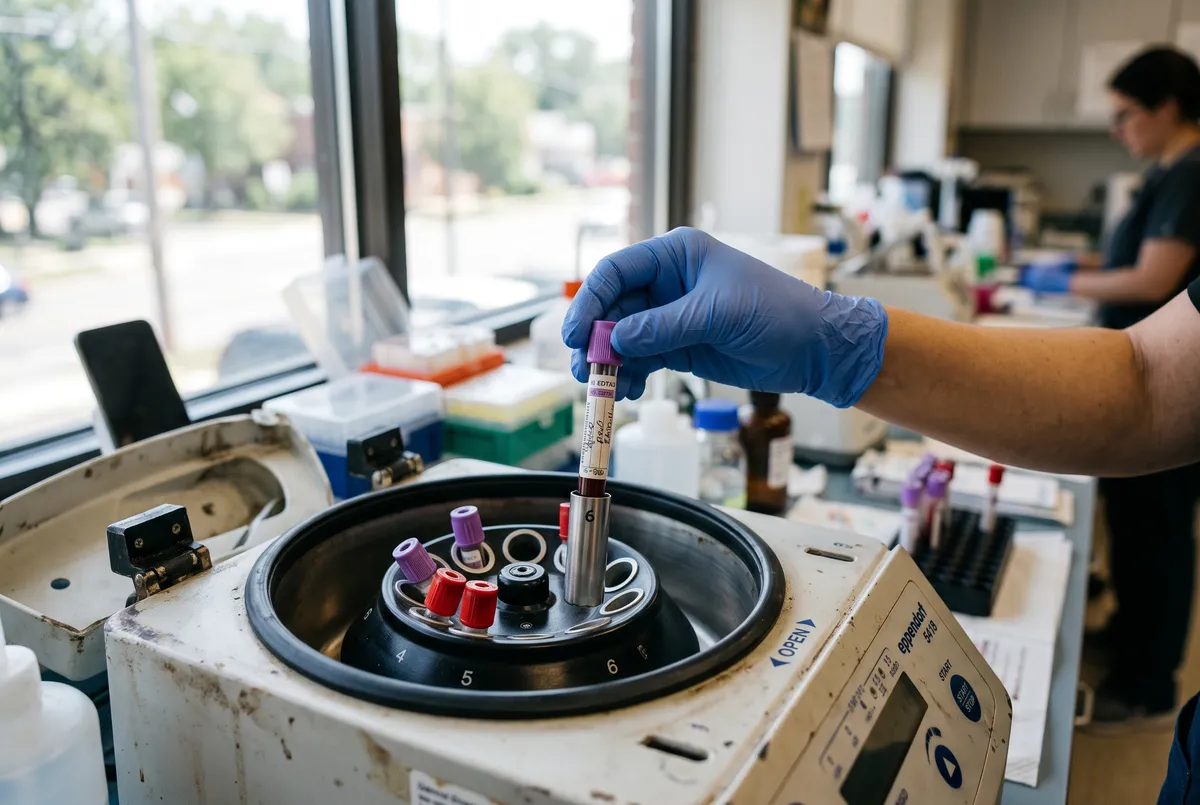
Key takeaways.
- Autologous PRP comes from the patient's own blood, which minimizes the risk of immune rejection.
- Systematic reviews of randomized trials report mostly minor, transient side effects.
- The most common effects relate to the injection: pain, swelling, bruising and stiffness.
- Infection is the primary serious concern and is addressed through sterile technique.
- The FDA does not treat autologous PRP as an HCT/P because it is a blood product.
- Preparation devices are FDA-regulated, and use beyond their cleared indication is off-label.
Why autologous sourcing matters
Autologous PRP is made from the patient's own blood. The body recognizes the material as its own, which minimizes the risk of immune rejection seen with donor-derived products.
Systematic reviews of randomized controlled trials across several specialties have reported favorable safety profiles. Most studies reported no major adverse events and only minor side effects that resolved without intervention.
Common side effects
The most common adverse effects relate to the injection procedure, not the PRP itself. Post-injection pain is the most frequent. Temporary swelling, bruising, redness, and stiffness or tenderness in a treated joint can also occur.
These reactions are usually short-lived. Symptoms that worsen later, or signs of infection such as fever or increasing redness and warmth, call for medical evaluation.
Serious risks and contraindications
Infection is the primary serious concern. It is addressed through sterile technique during every phase of preparation and administration.
Some patients are at higher risk of complications, and in some situations another treatment is more appropriate. Screening for these is part of safe practice.
Regulatory status in the United States
The FDA does not consider autologous PRP an HCT/P, the category for human cells, tissues and related products, because it is a blood product. Blood products such as PRP do not follow the traditional drug approval pathway of animal studies and clinical trials.
The devices used to prepare PRP are regulated. Nearly all preparation systems have 510(k) clearance for producing platelet-rich preparations to mix with bone graft materials. Use outside that cleared indication is considered off-label. This is permissible under the practice of medicine and requires informed patient consent.
Educational content for healthcare professionals. Not a treatment recommendation. PRP applications are considered off-label.
This guide covers the what and the why.
The how is taught live. The webinar and live training go deeper on:
- Contraindication screening and patient selection
- Sterile technique for preparation and injection
- Informed consent for off-label use
- Documentation and compliance records
- Managing post-procedure reactions
Common questions.
What are the side effects of PRP injections?
Is PRP FDA-approved?
What is the most serious risk with PRP?
Sources
- PMC. "Adverse events related to platelet-rich plasma therapy and future issues to be resolved." PMC11295534.
- Pubmed. "Efficacy and Safety of Platelet-Rich Plasma (PRP) Intra-articular Injections in Hip Osteoarthritis: A Systematic Review of Randomized Clinical Trials." 2024. PMID: 39569300.
Keep reading.
PRP · 3 min read
How to read PRP research: lab studies, animal models and clinical trials
PRP evidence runs from cell studies to animal models to human trials. Each level answers different questions and has its own limits.
Start the lessonPRP · 3 min read
PRP vs stem cells, exosomes, hyaluronic acid and corticosteroids
How PRP compares with stem cell therapies, exosomes, hyaluronic acid and corticosteroids in mechanism, complexity, evidence and regulatory status.
Start the lessonPRP · 3 min read
The future of PRP: what research is exploring next
PRP research is moving toward automated preparation, controlled-release scaffolds, combination approaches and personalization. All remain under study.
Start the lessonReady for the hands-on detail?
Live on Zoom, Tuesdays at 12:00 PM ET. See how the model works before you commit to anything.