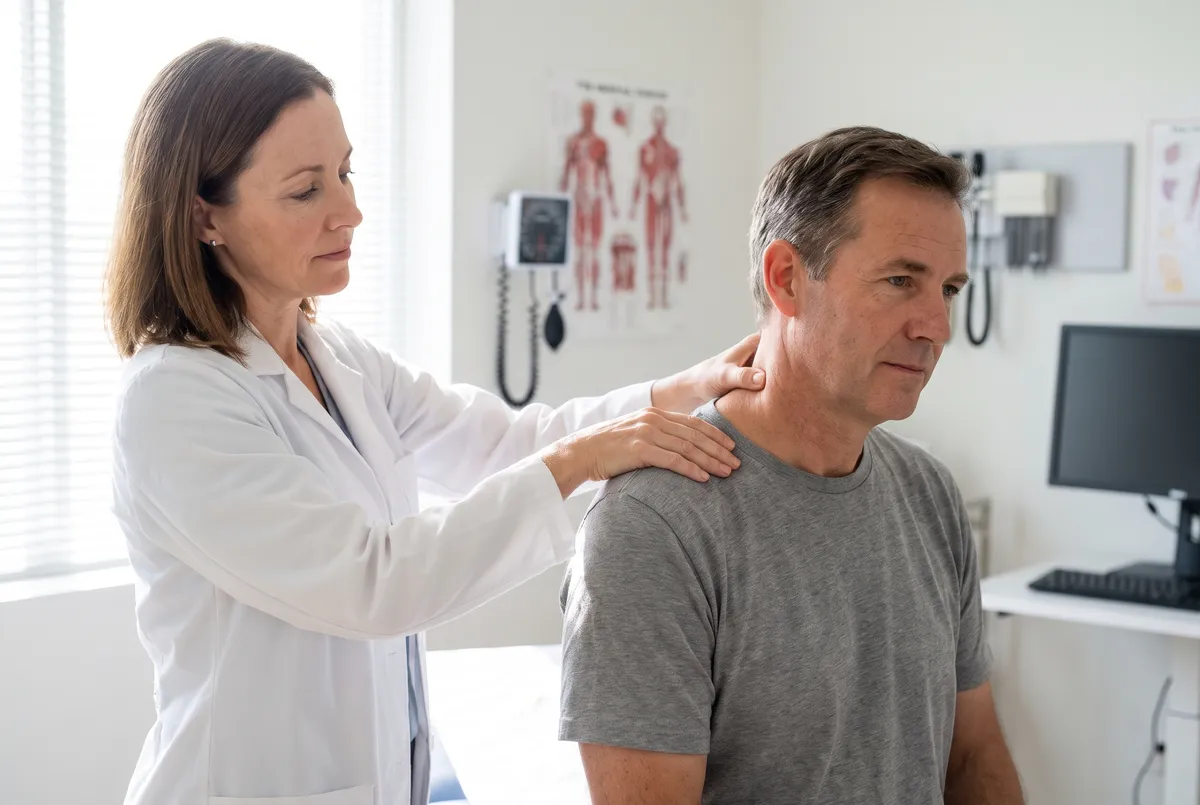
The most common gap we see in new biologics practices is not technique. It is that nobody recorded where the patient started. Without a baseline you cannot show a result to the patient, to a referring attorney, or to an IRB.
Pick one score per area
- Knee: KOOS, plus a 0 to 10 pain score.
- Hip: HOOS, plus a 0 to 10 pain score.
- Shoulder: the ASES score or QuickDASH.
- Back and neck: the Oswestry or Neck Disability Index.
- Wounds: wound area and depth, with a dated photograph.
Collect on a schedule
Baseline, then the same score at fixed follow-ups. Many practices use 6 weeks, 3 months, 6 months and 12 months. Use the same score every time, and record who collected it.
Keep it short
One validated score and one pain number takes a patient two minutes. That is enough to see a trend, and short enough that your staff will keep doing it.